
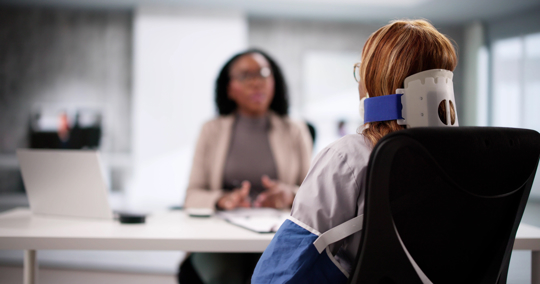
When you are involved in a collision, building a strong personal injury case in California requires more than just recounting what happened. Evidence is the foundation of your claim, and the right documentation can significantly improve your chances of obtaining fair compensation. Understanding which types of evidence carry weight in these cases can make a real difference in your recovery.
Types of Evidence That Make a Difference
1. Police Reports
A police report provides an official record of the collision and often includes the officer’s assessment of who may be at fault. While not conclusive, this report can serve as an important piece of evidence in supporting your version of events. Make sure to obtain a copy as soon as possible after the accident.
2. Photographs and Video Footage
Visual documentation of the accident scene, vehicle damage, road conditions, and injuries can be extremely persuasive. Photos taken immediately after the collision help capture details that may later be disputed or forgotten. Additionally, dashcam recordings, traffic cameras, or surveillance footage from nearby businesses can provide objective evidence of the incident.
3. Witness Statements
Eyewitnesses can offer firsthand accounts that clarify how the accident occurred. Written or recorded statements from bystanders, passengers, or other drivers can corroborate your story and establish key details about liability. Collecting contact information for witnesses as soon as possible ensures they can be reached if needed later.
4. Medical Records and Bills
Detailed medical documentation is crucial in demonstrating the extent of your injuries and linking them to the collision. Records should include emergency room visits, diagnostic tests, surgeries, ongoing treatment plans, and rehabilitation sessions. Keeping a copy of all medical bills also highlights the financial impact of the accident, which can influence settlement discussions.
5. Expert Opinions
In certain cases, expert testimony can provide clarity on complex issues, such as vehicle mechanics, accident reconstruction, or long-term medical prognosis. Experts can help explain why the accident occurred, the severity of your injuries, or the anticipated costs of future medical care.
6. Personal Records and Journals
Documenting your recovery journey can be valuable evidence. Keeping a journal of pain levels, mobility limitations, and daily challenges helps illustrate the real-life impact of your injuries. This type of evidence can be persuasive in conveying non-economic damages, such as pain and suffering.
7. Communication With Insurance Companies
Records of your correspondence with insurance providers, including emails, letters, and notes from phone calls, can protect you from misrepresentations and clarify your claims history. It is important to communicate carefully and avoid providing recorded statements without legal guidance.
Why Evidence Matters
Strong evidence does more than just support your claim—it can accelerate negotiations, reduce disputes, and improve the likelihood of a favorable outcome. Insurance companies often respond more seriously when claims are backed by clear, comprehensive documentation. In addition, presenting well-organized evidence in court can reduce delays and strengthen your position in settlement or litigation.
Collecting evidence immediately after an accident and maintaining organized records throughout your recovery is critical. The combination of police reports, visual documentation, medical records, and witness statements forms a compelling case that demonstrates liability, supports your injuries, and quantifies damages.
Experienced San Rafael Personal Injury Attorneys
If you or a loved one has been injured in a collision, working with experienced attorneys ensures that all relevant evidence is preserved and used effectively. At Kuvara Law Firm, we help clients navigate the complexities of personal injury claims, ensuring that your case is presented clearly and persuasively.
Contact Kuvara Law Firm today at (628) 240-1014 for a consultation to discuss your situation and understand your legal options.